Delhi NCR is one of India’s fastest-growing construction regions, with a constant demand for safe and high-quality scaffolding and formwork systems. Whether you are working on a residential, commercial, or infrastructure project, choosing the right supplier plays a crucial role in ensuring project safety, meeting timelines, and maintaining cost efficiency.
1. Importance of Choosing the Right Supplier
Scaffolding and formwork directly impact structural accuracy and on-site safety. Selecting an unreliable supplier can result in worker safety hazards, project delays, increased labour and material costs, non-compliance with safety standards, and poor construction quality. A reliable supplier ensures smooth execution, regulatory compliance, and peace of mind throughout the project lifecycle.
2. Quality of Materials and Manufacturing
When selecting a scaffolding and formwork supplier in Delhi NCR, evaluating material quality and manufacturing standards is essential. Suppliers should provide high-grade steel or aluminium scaffolding, precision-engineered formwork systems, proper welding and finishing, and load-tested, reusable materials that enhance durability and reduce long-term costs.
3. Certifications and Safety Compliance
Certifications reflect a supplier’s commitment to quality and safety. A professional supplier must comply with ISO quality standards, Indian construction and safety regulations, and strict quality control processes to ensure standardized manufacturing and operational safety.
4. In-House Design Capabilities
A reliable scaffolding and formwork partner should have strong in-house design capabilities supported by an experienced engineering team. Every construction project has unique structural requirements based on height, span, slab thickness, architectural complexity, and site conditions, and standard or generic scaffolding layouts may not always be suitable or cost-effective. A supplier with in-house design expertise can provide customized scaffolding and formwork layouts, project-specific design planning based on structural drawings, General Arrangement (GA) drawings for execution, material planning and optimization, quick design modifications as per site changes, and proper coordination with consultants and project managers. Strong in-house design capability ensures faster approvals, smoother execution, and better communication between the supplier and the construction team. It also reduces dependency on third-party designers, minimizing delays and design errors. Choosing a partner with a dedicated design team ensures technical precision, improved planning, and enhanced project efficiency from start to finish.
5. Load Calculation Expertise
6. Range of Scaffolding and Formwork Systems
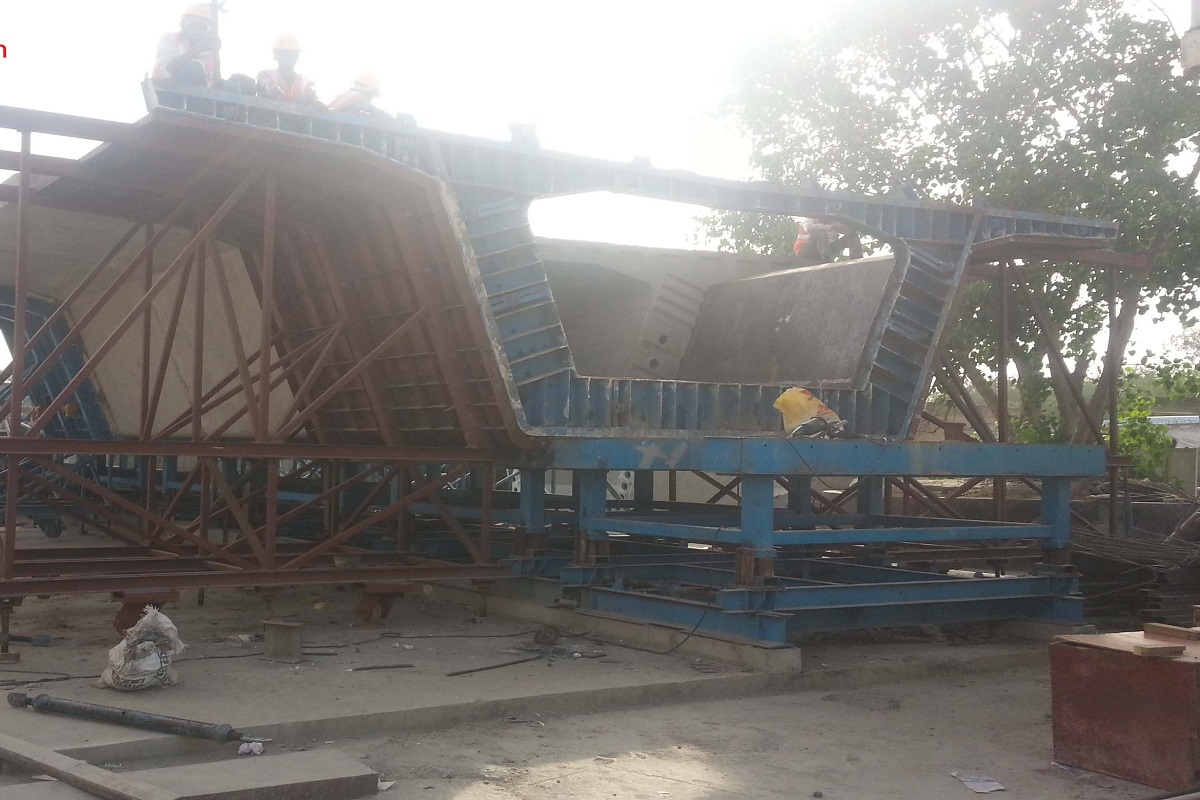
A reliable supplier should offer a comprehensive range of scaffolding and formwork systems, including Cuplock, H-frame, and Ringlock scaffolding, as well as slab, column, and wall formwork, shuttering plates, and accessories. A wide product range ensures suitability for different project types and site conditions.
7. Timely Delivery and Logistics Support
In a fast-paced construction environment like Delhi NCR, delays in material supply can halt work. Suppliers must maintain ready stock, efficient transport systems, and realistic delivery timelines to ensure uninterrupted workflow and better project management.
8. After-Sales and Technical Support
Dependable after-sales support is essential, especially for large-scale projects. Reliable suppliers provide site coordination assistance, installation guidance, quick issue resolution, and continuous technical support throughout the project.
9. Industry Experience and Market Reputation
Experience and reputation are strong indicators of reliability. Evaluating years of operation, past and ongoing projects in Delhi NCR, client testimonials, and repeat customers helps ensure you are choosing a supplier who understands real site challenges and execution requirements.
10. Why Translite Is a Trusted Choice in Delhi NCR
Translite Scaffolding & Formwork stands out by providing robust, load-tested systems manufactured under strict quality control. Backed by a strong in-house design and engineering team, certified manufacturing processes, a complete range of scaffolding and formwork solutions, reliable logistics across Delhi NCR, and dedicated after-sales support, Translite has earned the trust of builders and contractors through consistent quality and dependable service.
11. Conclusion
Choosing the right scaffolding and formwork supplier in Delhi NCR is essential for safe, efficient, and cost-effective construction. By focusing on material quality, certifications, engineering expertise, delivery reliability, and technical support, project risks can be minimized. Translite Scaffolding & Formwork offers strength, safety, and reliability for every construction need.